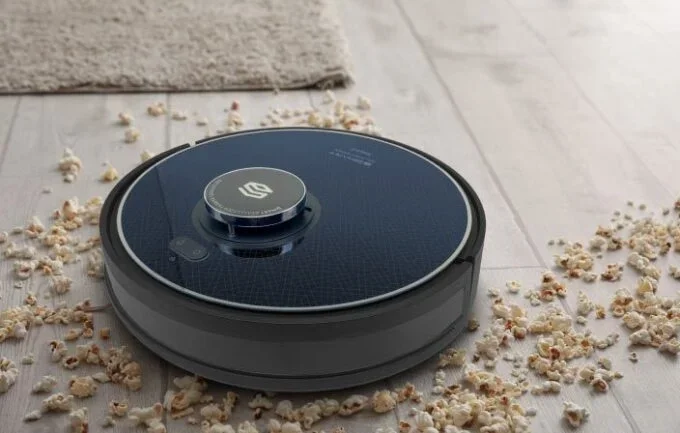
Robot vacuum cleaners are a new generation of cleaning devices that have become widely talked about today within the framework of advancing technology, new ideas, and designs. With their ease of use, practicality, and effortless cleaning capability, they have recently become indispensable household items for many people.
Robot vacuums are capable of both cleaning and mopping all types of floors. Thanks to their performance in identifying areas to be cleaned and instantly absorbing dirt and dust, you can now clean your home without even getting up. So, how should the cleaning and maintenance of these robots—so easy and practical to use—be done?
How to Maintain the Dust Bin of a Robot Vacuum
It should not be forgotten that the most important maintenance is cleaning. This applies to all items, and of course, to smart robots as well. Depending on how frequently you use your robot, the more regularly you clean it and prevent dust from accumulating inside, the more you can avoid dust penetrating into the device. With regular maintenance, you can extend the lifespan of your robot vacuum and ensure healthier performance with each use. You can wipe the plastic surfaces of the dust bin with a slightly damp cloth to remove dust, then dry it and continue using it.
How Should Brush Maintenance Be Done?
As mentioned above, the best maintenance is keeping the product clean. Depending on usage frequency, care should be taken with both the main and side brushes. By cleaning the brushes weekly before dust and dirt build up, you can extend the lifespan of your cleaning robot. These brushes should be thoroughly cleaned using their dedicated cleaning tools. After making sure all dust has been removed, you can reattach them to your vacuum. That’s all.
How Should Wheel Maintenance and Cleaning Be Done?
Since smart cleaning robots are used continuously and move across surfaces, their wheels should be cleaned frequently. There are dust particles in homes that are not visible to the human eye, and these robots clean them as well. Naturally, it is inevitable that this dust and dirt will stick to the wheels. Although there is no strict schedule for wheel cleaning, you can maintain them monthly. Removing dust thoroughly and wiping accumulated dirt with a damp cloth regularly will be sufficient.
How to Maintain the Bumper and Sensors of Robot Vacuums
Extra care should be given to the maintenance of sensors, which are among the most important parts of cleaning robots. These sensors protect the vacuum from collisions and prevent damage. If the sensors are not cleaned, the vacuum may not detect obstacles properly, leading to reduced performance. To prevent this, the sensors on the vacuum should be wiped with a slightly damp cloth on a monthly basis.
HEPA Filter Maintenance
The HEPA filter inside the dust bin, which filters the collected dust, is very important for your health. You should clean your HEPA filter at regular intervals by shaking it or using compressed air. One important point to note during cleaning is that it should not come into contact with water. Due to its cellulose structure, exposure to water will damage the filter and prevent it from functioning properly. Therefore, you should never wash your HEPA filter. It should be replaced with a new one at least once every 12 months.
How to Clean the Water Tank of a Robot Vacuum
Some robot vacuums, in addition to vacuuming, also offer wet mopping functionality. You should never add chemical substances to the water tank of such devices. Any chemical added may damage the pipes that carry the liquid and cause malfunctions. Therefore, only pure drinking water should be used. You can clean the exterior of the water tank with a dust cloth and let it dry.
Although robot vacuums are small in size, the cleaning they perform is significant. Their maintenance and cleaning are quite simple. As long as smart cleaning robots—one of the greatest helpers in households—are maintained regularly and properly, their performance will continue to improve.