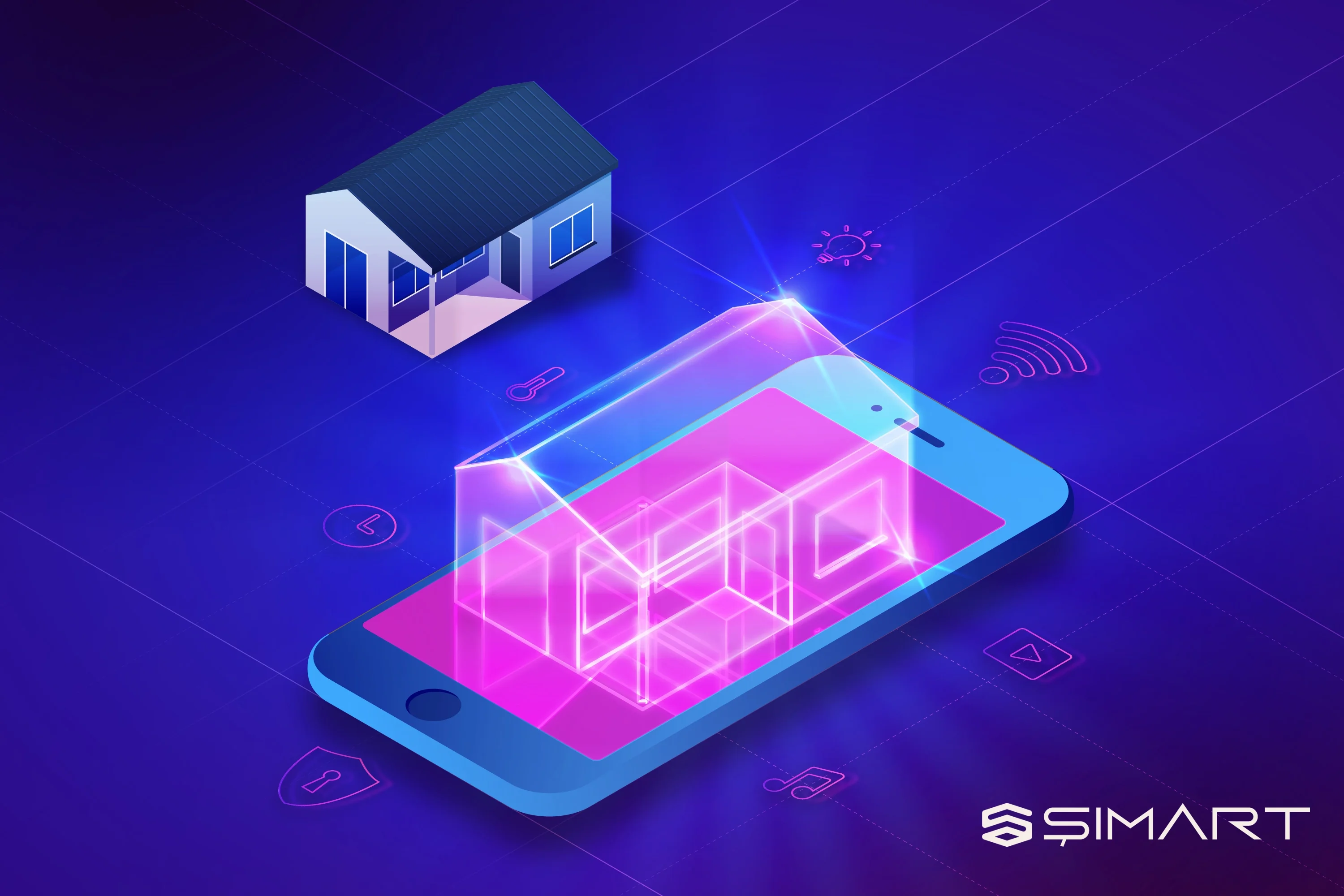
Energy efficiency is becoming increasingly important every day, emerging as a top priority both individually and globally. Rising energy costs and sustainability goals are driving the adoption of innovative energy management technologies. Advanced solutions that enable smarter and more efficient energy use are shaping the sustainable living spaces of the future. At the center of this transformation are smart home systems, which support environmentally friendly lifestyles while combining energy optimization with high performance and cost savings. In this article, we explore the key energy efficiency trends for 2025.
Smart Home Systems for a Sustainable Future
Innovative technologies not only offer eco friendly solutions but also optimize energy consumption. In 2025, smart home systems are expected to deliver groundbreaking advancements that contribute to building a more sustainable world. With features such as automation and scheduling, these systems provide comfortable living environments while reducing energy costs. Powered by IoT (Internet of Things), smart homes create connected ecosystems that continue to promote environmentally conscious living.
As advanced technologies become more widespread, homeowners are becoming more aware of their energy consumption. Future developments in data analysis and machine learning signal significant progress in sustainability. Users are increasingly choosing smart home systems not only for comfort but also to support eco friendly habits. These technologies are shaping future living spaces and enabling meaningful steps toward sustainability.
Connected Living Spaces That Improve Energy Efficiency
Connected devices and IoT are transforming how energy efficiency is approached in living spaces. Smart home systems deliver greater comfort while consuming fewer resources, supporting sustainable habits. Automation technologies powered by smart systems aim to protect the environment while enhancing quality of life. Devices that can be programmed according to daily routines work together seamlessly, creating more efficient homes.
Connected smart devices communicate with each other to simplify daily life. For example, smart lighting systems can integrate with motion sensors, allowing lights to turn on or off automatically based on movement. This enables users to tailor their systems to personal needs while minimizing unnecessary energy use.
Make Your Routine Smarter with Automation
One of the biggest advantages of smart home systems is automation, which allows devices to operate automatically without constant user intervention. Automation technologies simplify daily routines by enabling smart devices to function through sensors, scenarios, or connected systems. This ensures that all functions are performed efficiently without manual input.
Smart sensors form the foundation of these automation systems. They continuously monitor environmental factors such as movement, temperature, and light levels, then transmit data to connected devices. Based on predefined parameters, devices respond automatically. For instance, smart lighting can turn on when motion is detected through a programmed scenario. Controlled via mobile apps or voice assistants, smart home automation adapts easily to daily routines while delivering both comfort and energy savings.
Reduce Energy Consumption with Remote Access
Users who transform their homes into smart environments benefit from remote access and monitoring capabilities. Smart home systems not only save time but also reduce costs by making everyday life more efficient. With smart lighting, users can turn lights on or off remotely, while smart cameras allow them to monitor their homes even while on vacation.
Remote access has become an essential feature, especially for individuals with busy lifestyles. Through mobile applications, smart devices can be controlled instantly. For example, a smart thermostatic radiator valve allows users to adjust indoor temperatures according to their schedules, preventing unnecessary energy use and optimizing consumption. Integrated systems such as motion sensors and smoke detectors also enhance safety by sending real time alerts about potential risks.
Smart Home Products That Improve Energy Efficiency
Smart Valve Control
Thermostatic radiator valves revolutionize energy consumption by adapting to user habits and optimizing heating and cooling systems. They maintain desired room temperatures while reducing energy costs and supporting environmentally friendly heating solutions. This dynamic control mechanism allows users to manage heating schedules effectively and prevent energy waste, especially in spaces requiring different temperature levels.
Smart Lighting Systems
Smart lighting can be programmed according to user preferences and optimized through motion detection and sensor technologies. Users can control lighting remotely via mobile apps, ensuring lights are only used when needed. Compared to traditional lighting, smart bulbs can reduce energy consumption by up to 50 percent. For example, lights can automatically turn off when no movement is detected, helping create more efficient and eco friendly living spaces.
Smart Plugs
Smart plugs offer effective solutions for managing energy consumption by providing real time data on electricity usage. Through mobile applications, users can remotely control devices and set schedules to manage high energy consuming electronics. This helps prevent unnecessary power usage and allows users to track consumption over time, leading to better energy optimization across all devices in the home.
Conclusion
Smart home systems continue to play an important role in modern life by providing both energy savings and comfort. By optimizing energy consumption, they help reduce utility costs while supporting sustainable living. From smart plugs to thermostatic radiator valves, these technologies offer remote access and control, making it easier for homeowners to adopt eco friendly lifestyles.
Looking ahead to 2025 and beyond, smart home systems are expected to evolve further, enabling more efficient use of energy resources. As advanced technologies become more widespread, users will be empowered to make more informed and sustainable choices. By integrating smart technologies into daily routines, it becomes possible to create more efficient, comfortable, and environmentally conscious living spaces.