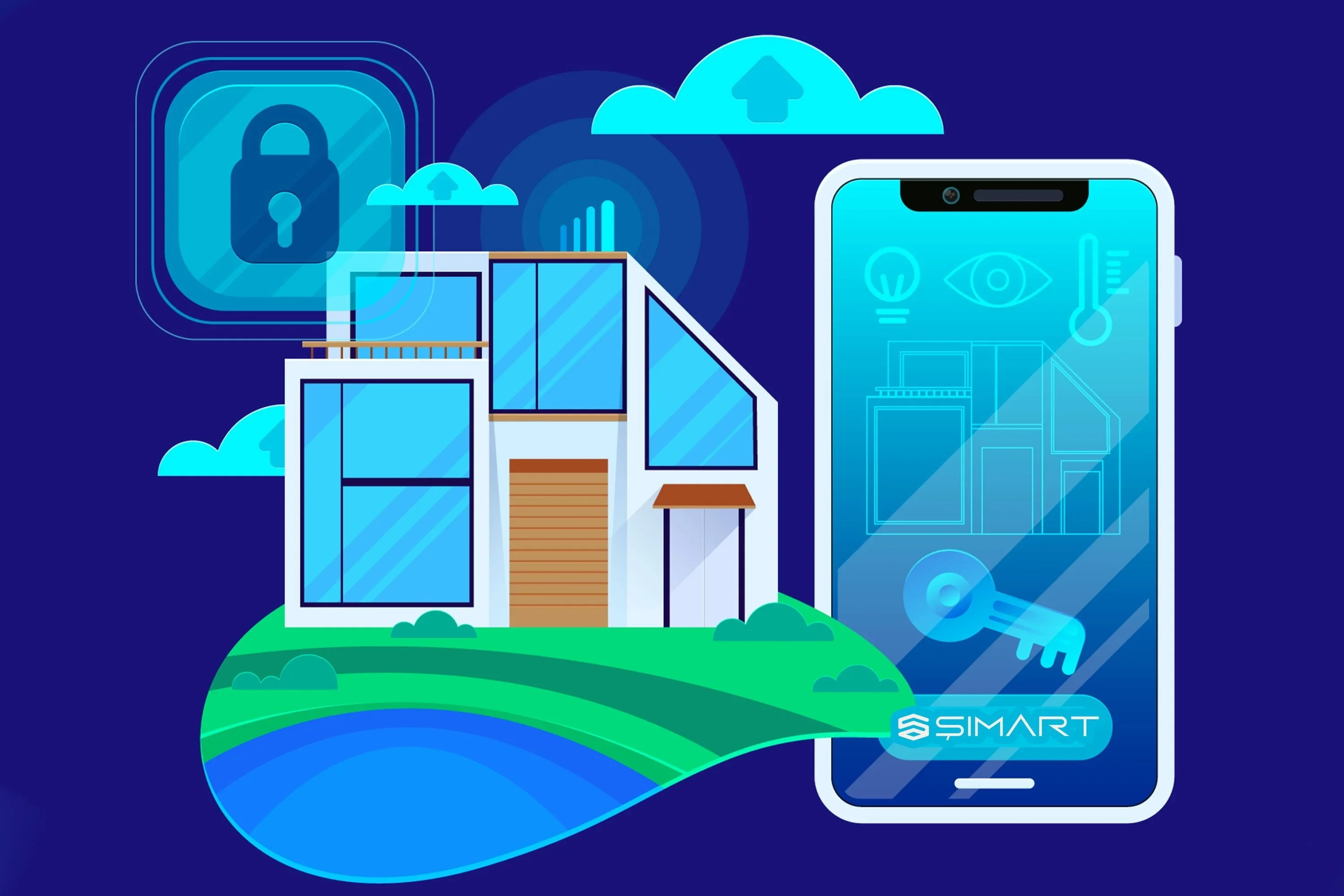
Smart home systems, which integrate many innovative technologies ranging from artificial intelligence to smart sensors, are at the center of modern life. Smart home automation, which allows homeowners to customize their living spaces, combines comfort and functionality. Thanks to smart devices that can be easily controlled, users’ quality of life increases. In this blog post, we will take a closer look at the technologies used in smart home systems and explore how you can make your home smarter.
What Technologies Are Used in Smart Home Systems?
Smart home systems allow smart devices in living spaces to be controlled with a single touch. In homes managed by IoT (Internet of Things) technology, artificial intelligence and wireless communication technologies are also widely utilized.
Use of IoT (Internet of Things) Technology in Smart Home Systems
IoT technology plays a key role in smart home automation, making daily life easier in many ways. It enables communication between smart home devices through mobile devices or sensors. With IoT, smart devices connect to the internet and generate data. This data, based on parameters such as temperature, humidity, and location, is essential for the operation of smart home systems. Data collected through sensors is transferred to a central control unit or cloud-based platforms via IoT technology. The functioning of smart devices is then determined based on this collected data.
Use of Artificial Intelligence in Smart Home Systems
Thanks to artificial intelligence, smart devices can be controlled through voice or motion commands. Homeowners can manage their devices using simple commands, such as turning off lights or adjusting the thermostat. AI also enables the collection of large amounts of data. This data is analyzed to understand user habits and transformed into meaningful patterns. Through AI algorithms, personalized suggestions can be provided, offering a more customized and user-focused experience.
Use of Wireless Communication Networks in Smart Home Systems
Technologies such as Bluetooth and Wi-Fi play an important role in monitoring, controlling, and automating smart home devices. These networks allow devices to receive commands quickly and efficiently. By using wireless communication, you can control your smart home devices from anywhere. Smart home automation offers flexibility and freedom, expanding your comfort zone. For example, you can start brewing your coffee or adjust your room temperature before even arriving home.
How Can You Make Your Home Smart?
Smart home products can easily integrate into your daily life thanks to their practical use. First, you need to decide which smart devices best suit your needs and will enhance your comfort. Here are some key areas you can consider when transforming your living space into a smart home.
Smart Home Products That Meet All Your Security Needs
You can meet your security needs, one of the most important aspects of modern living, with smart home devices. With systems that can be easily controlled remotely, you can eliminate all your concerns. Devices such as smart door and window sensors, water leak detectors, motion sensors, valve controls, smoke detectors, gas alarms, and 360-degree smart cameras provide high-level security for your living spaces.
Smart Home Products That Provide Convenience
From robot vacuum cleaners to airfryers, many smart products are becoming part of our daily lives. With an airfryer, you can prepare both healthy and practical meals. Robot vacuums help improve hygiene standards by simplifying your cleaning routine. Smart home devices designed for your comfort allow you to enjoy modern living with just one touch. You can even feed your fish remotely using an automatic aquarium feeder. With all these advanced features, smart home products make managing your living space easier and more efficient.
Smart Home Products That Provide Energy Savings
Smart home automation not only enhances comfort but also helps save energy. From thermostatic radiator valves to smart bulbs, these devices reduce costs by improving energy efficiency. You can control the temperature of your rooms with a thermostatic radiator valve, minimizing energy loss and creating an efficient heating system. Smart bulbs help optimize energy consumption, allowing you to save electricity.
Smart home technologies, which provide practical solutions to modern living needs, offer many advantages to homeowners. With advanced technologies, controlling living spaces becomes easier, while homes become safer, more efficient, and more practical. As smart home technologies continue to evolve, achieving energy savings is becoming increasingly possible. To discover the technologies of the future and make your home smarter, you can explore Şımart Teknoloji’s store.