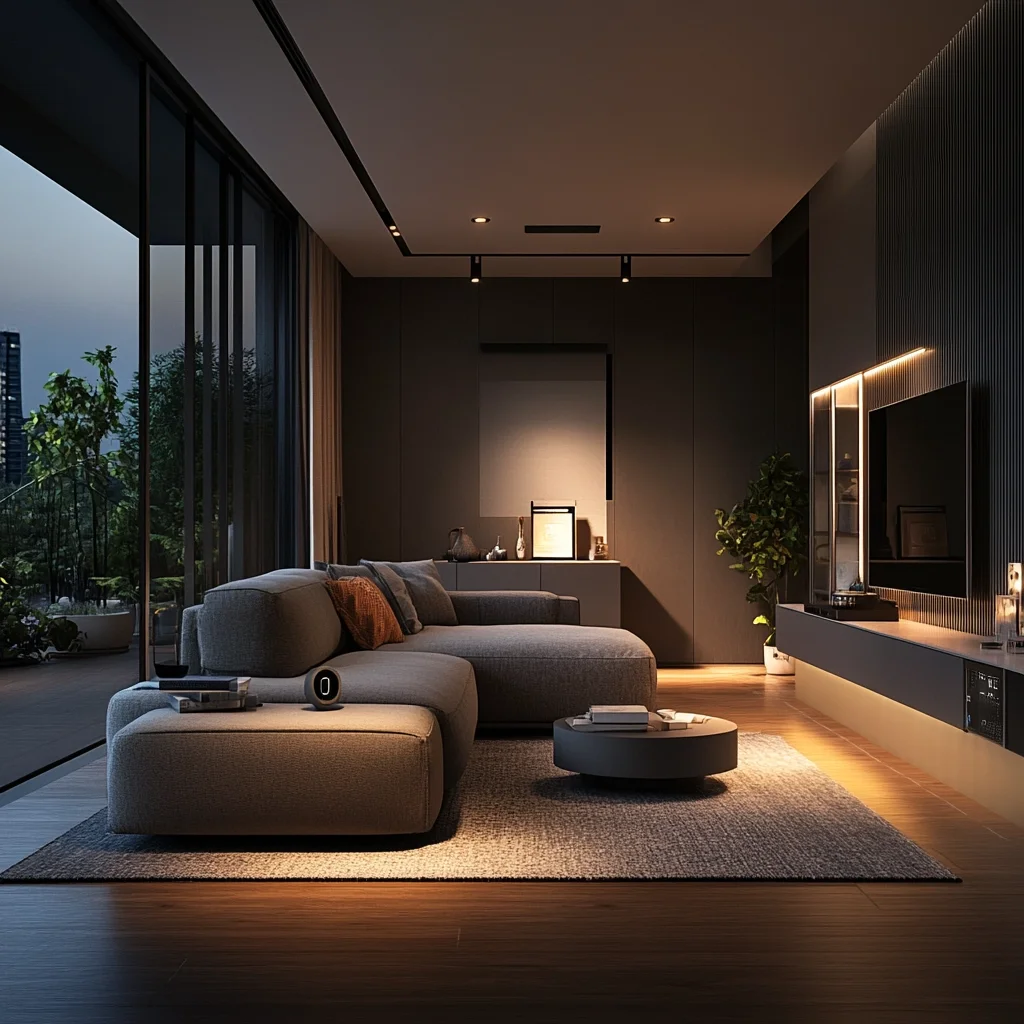
Our living spaces continue to evolve with innovative technological products, becoming more digital every day. Smart home systems bring comfort and convenience into our lives, allowing us to control everything with a single touch. As an essential part of modern living, they make our homes more efficient and secure. Thanks to IoT (Internet of Things) technology, a wide range of devices from lighting systems and robot vacuums to smart cameras and thermostatic valves help improve our quality of life. This means you can adjust your home’s temperature even when you are away or ensure your pets’ food and water needs are met remotely. So, how can you transform your home into a smart home, and what are the advantages of these systems? Let’s explore in detail.
How Do Smart Home Systems Work?
Smart home systems operate as an ecosystem where various technological devices and systems are interconnected. These smart products, which you can control with a single tap, put your entire home at your fingertips. Typically integrated through WiFi, they are equipped with smart sensors that collect and process environmental data. This allows them to continuously monitor conditions and respond accordingly. For example, a smart motion sensor can detect unusual activity and instantly send alerts, helping protect you from potential threats.
These systems can be automated or scheduled based on users’ daily needs, offering convenience across many aspects of life. With advanced technologies such as IoT and voice assistants, users can control their devices remotely. You can set your bedroom lights to turn on at a specific time or have your robot vacuum clean your home while you are in a meeting. These features not only enhance comfort but also save time and energy.
What Do Smart Home Systems Do?
Smart home systems make living spaces more comfortable and secure by enabling remote control of everything from lighting to security systems. No longer considered a luxury, they have become a practical lifestyle solution, offering advantages such as energy savings and personalized user experiences.
Comfort and Convenience
Smart home systems simplify daily routines and reduce the complexity of modern life. With remote access and control, they redefine comfort. You can program your devices according to your preferences, keeping your entire living space under your control.
Energy Efficiency
Smart home devices optimize energy consumption, helping prevent unnecessary usage. This not only reduces costs but also supports environmentally friendly habits.
Enhanced Security
From door and window sensors to smart cameras, advanced security devices make your home safer. They send instant alerts when suspicious activity is detected, allowing you to monitor your home remotely and eliminate security concerns.
Remote Control and Automation
With internet connectivity, smart home systems can be controlled anytime and from anywhere via mobile applications. This flexibility gives users greater freedom and sets new standards for modern living.
Most Popular Smart Home Systems
Future technologies are enhancing quality of life by delivering personalized experiences. As IoT devices become more widespread, our homes are increasingly integrated with technology. From robot vacuums that redefine cleaning standards to thermostatic radiator valves that save energy, smart products are becoming common in every home.
Smart Camera Systems
Smart cameras with 360 degree monitoring provide 24/7 security for your home. They can be easily monitored through mobile apps and send instant alerts when motion is detected. Features such as night vision, sirens, and two way communication allow you to stay connected with your home, children, or pets even when you are away.
Smart Lighting Systems
Smart bulbs allow you to personalize your living space while saving energy. You can control brightness, color, and on off settings through a mobile app or voice commands. They offer both convenience and energy efficiency, making them one of the most popular smart home devices.
Smart Robots
Smart home robots include devices such as curtain motors, robot vacuums, and window cleaning robots. A smart curtain motor, for example, allows you to control your curtains remotely, providing both comfort and added security when you are not at home.
Smart Security Systems
Smart security solutions help protect your home from potential risks. Devices such as water leak detectors, motion sensors, and gas alarms provide early warnings and ensure safety. These systems allow you to monitor and control your home’s security easily and effectively.
Frequently Asked Questions About Smart Home Systems
Is installation difficult
Most smart home systems are user friendly and easy to install. They come with instructions and can be controlled via mobile apps using an internet connection. Choosing a reliable brand is important for a smooth experience.
Do smart home systems save energy
Yes, they optimize energy consumption and reduce unnecessary usage. Contrary to common belief, most smart devices are designed to consume less energy.
How can I control smart home devices
They can be controlled through mobile applications or voice assistants. Many systems also allow automation based on schedules.
Which devices can be integrated
Devices such as door and window sensors, thermostatic radiator valves, smart toilet seats, smoke detectors, robot vacuums, and smart cameras can all be integrated into a smart home system.
Conclusion
By leveraging advanced technologies, users are transforming their homes into smart living spaces. Smart home systems not only provide convenience but also create a new standard of living. They allow you to control your daily routines from anywhere, saving both time and energy. Whether you are traveling or in a meeting, you can still manage your home effortlessly. With their innovative solutions, smart home products invite you to experience a more comfortable and efficient lifestyle.